What is the Right Time to Eat Talbina? A Prophetic Superfood for Healing and Strength
Step into a world where raw energy flows from the earth itself. This is where untouched purity meets unstoppable strength — a force both calming and commanding. It’s not just food. It’s nourishment in its purest, most powerful form — untamed, uncompromised, and unbelievably real.
Welcome to the world of Talbina — a humble dish with powerful roots in tradition, health, and healing. If you’re here, you’ve probably heard about it and are wondering:
What is the right time to eat Talbina?
You’re in the right place.
In this blog, we’ll explore the authentic origins, health benefits, and the right time and way to consume Talbina based on both modern nutritional advice and traditional Islamic teachings. Let’s nourish the body and soul, one spoonful at a time.
The Origin of Talbina in Prophetic Tradition
The name Talbina comes from the Arabic word “laban” (milk) because of its white, milky appearance. It is mentioned in several authentic narrations:
Aisha (RA) reported that the Messenger of Allah ﷺ said:
“Talbina gives rest to the heart of the patient and removes some of his sorrow.”
(Sahih al-Bukhari, Sahih Muslim)
This shows that Talbina was not just food; it was also medicine — prescribed for both emotional comfort and physical strength.
The Sahaba (RA) would use Talbina during times of grief, sickness, and weakness, following the guidance of the Prophet ﷺ.
Nutritional Wisdom Behind Talbina
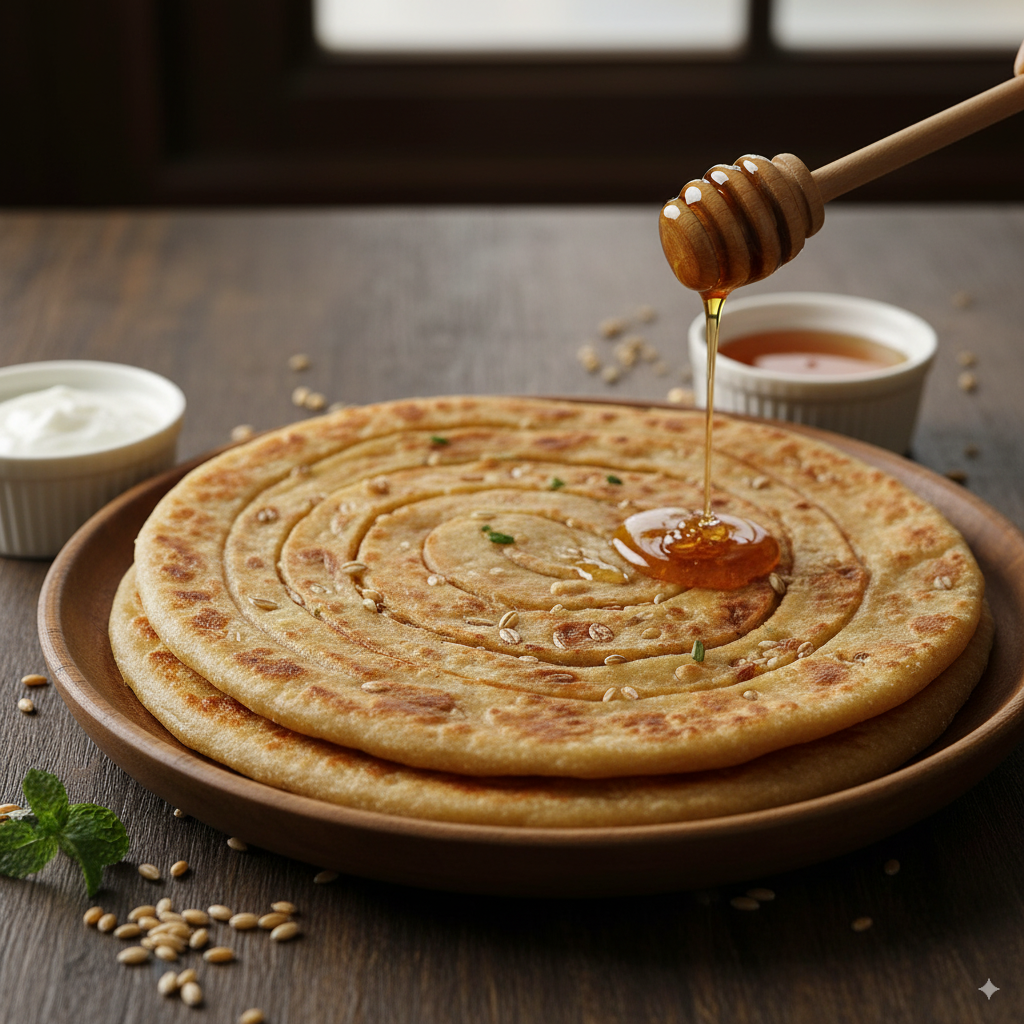
Modern nutrition backs the Sunnah. Barley, the main ingredient of Talbina, is:
Rich in fiber (aids digestion and gut health)
Full of minerals like magnesium, selenium, and iron
Low on the glycemic index (balances blood sugar)
Naturally soothing for the stomach
Honey, often added to sweeten Talbina, carries antibacterial, antioxidant, and energizing properties. Milk provides calcium and protein. Together, they create a wholesome, healing dish that aligns perfectly with the Prophetic lifestyle.
What is the Right Time to Eat Talbina?
Now, let’s address the heart of the question: When should you eat Talbina for maximum benefit?
1. Morning for Energy and Digestion
The mornings were highly valued in the Sunnah. The Prophet ﷺ made du‘a for barakah in the early hours of the day. Eating Talbina in the morning provides gentle energy, improves digestion, and keeps you full for longer.
If you often feel weak, sluggish, or heavy after breakfast, try replacing processed foods with Talbina. It fuels the body without burdening the stomach.
2. During Illness or Recovery
The Prophet ﷺ recommended Talbina for the sick and grieving because it is light, easily digestible, and healing. If you’re unwell, Talbina is an excellent food to restore strength and calm the heart.
3. Evening for Relaxation
The Sahaba (RA) would sometimes consume Talbina in the evening to relax and soothe their bodies after a long day. Since it is warm and calming, eating Talbina before bedtime can help with better sleep.
4. Times of Grief or Sadness
Authentic narrations show Talbina was often prepared for those going through emotional distress. Today, when stress and anxiety are common, Talbina can serve as both nourishment and comfort.
To truly understand the right time to eat Talbina, we must also consider how the Prophet ﷺ and the Sahaba ate in general. Their food habits were simple, mindful, and balanced:
They ate in moderation — never to the point of overeating.
They began meals with Bismillah and ended with Alhamdulillah.
They preferred natural, wholesome foods — dates, milk, barley, honey, olive oil.
They valued light meals at night, keeping the stomach comfortable during rest.
This means Talbina fits beautifully into any part of the day when consumed with mindfulness and moderation.
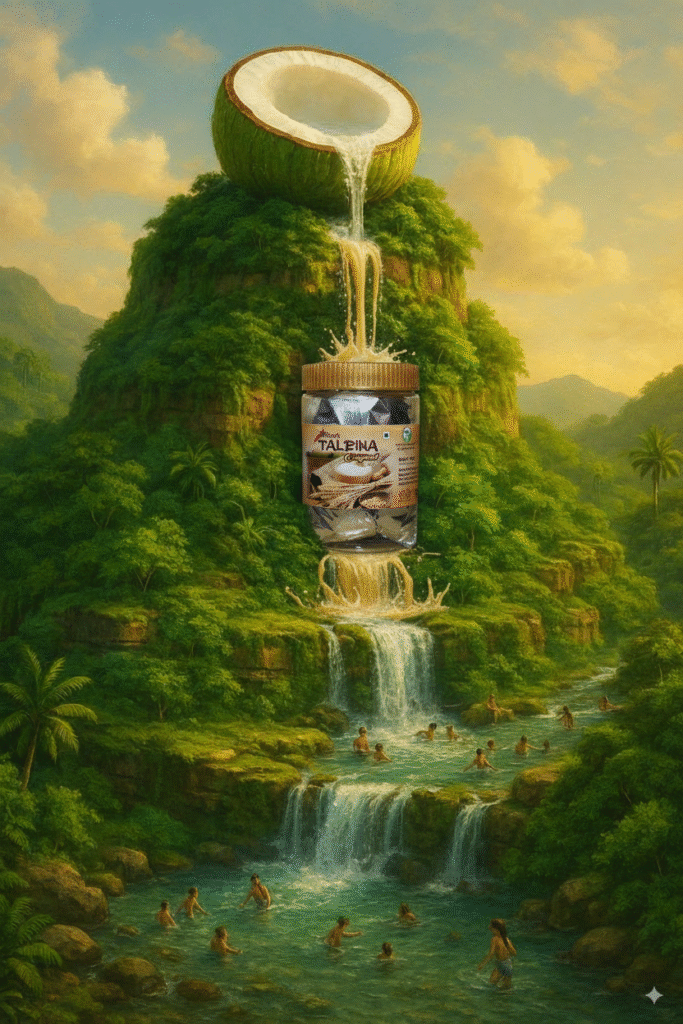
Talbina — Where the purity of nature flows into every spoon.
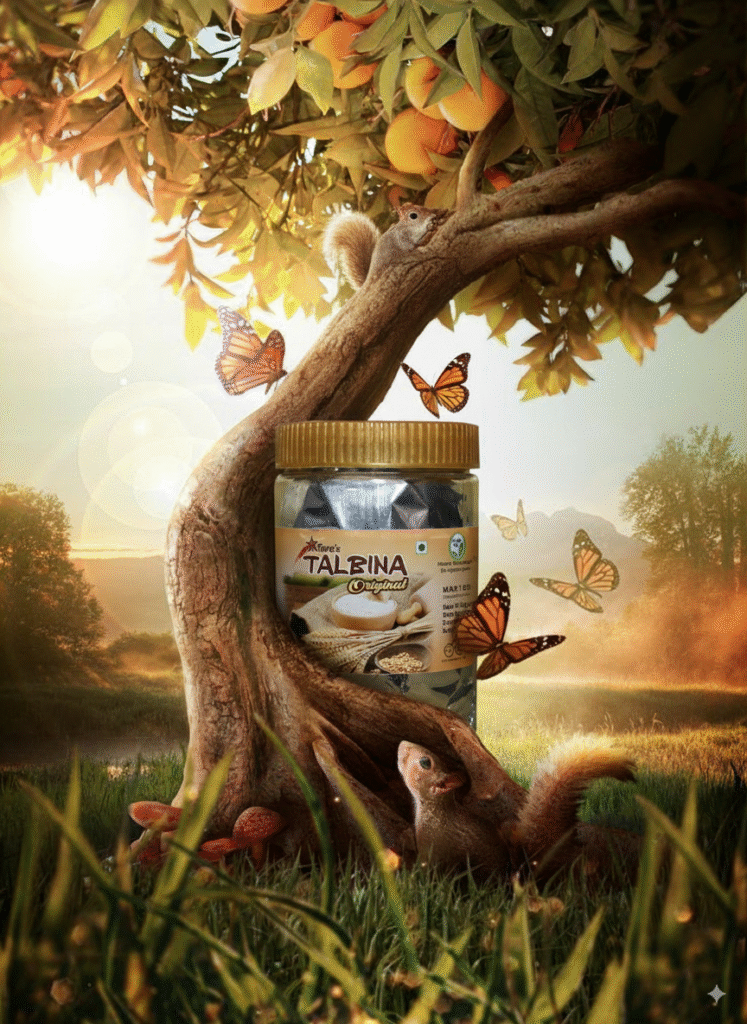
Talbina — Scientifically soothing, Sunnah-approved healing.

Talbina — as gentle as milk, yet as strong as a tiger.
Talbina and the Sunnah Eating Style
Here’s a simple way to prepare Talbina at home, inspired by the Sunnah:
Ingredients:
2 tbsp barley flour (lightly roasted)
1 cup milk (cow’s or goat’s milk)
1 tsp honey (to taste)
Method:
Mix barley flour with milk and cook on low flame.
Stir continuously until it thickens into a smooth porridge.
Add honey and serve warm.
Optional: Add a pinch of cinnamon or dates for extra flavor.
Modern Benefits Confirming Prophetic Wisdom
Science today highlights many benefits of barley-based foods, aligning perfectly with the Sunnah:
Supports heart health by lowering cholesterol
Improves gut health through natural probiotics
Provides sustained energy without sugar spikes
Reduces stress and inflammation naturally
This is why eating Talbina regularly, especially at the right times, can improve both body and mind.


Final Thoughts
So, what is the right time to eat Talbina?
The answer is:
Morning for energy and digestion
Evening for relaxation
During sickness for healing
In times of grief for comfort
Following the lifestyle of Prophet Muhammad ﷺ and the Sahaba (RA), Talbina becomes more than food. It is a Sunnah-based remedy, a source of comfort, and a daily reminder that the simplest foods often carry the deepest blessings.
Next time you wonder what to eat for strength, calmness, or healing, remember the words of the Prophet ﷺ:
“Talbina gives rest to the heart of the patient and removes some of his sorrow.”
What Exactly is Talbina?
Before we can pinpoint the best time to eat it, let’s get acquainted with what Talbina actually is.
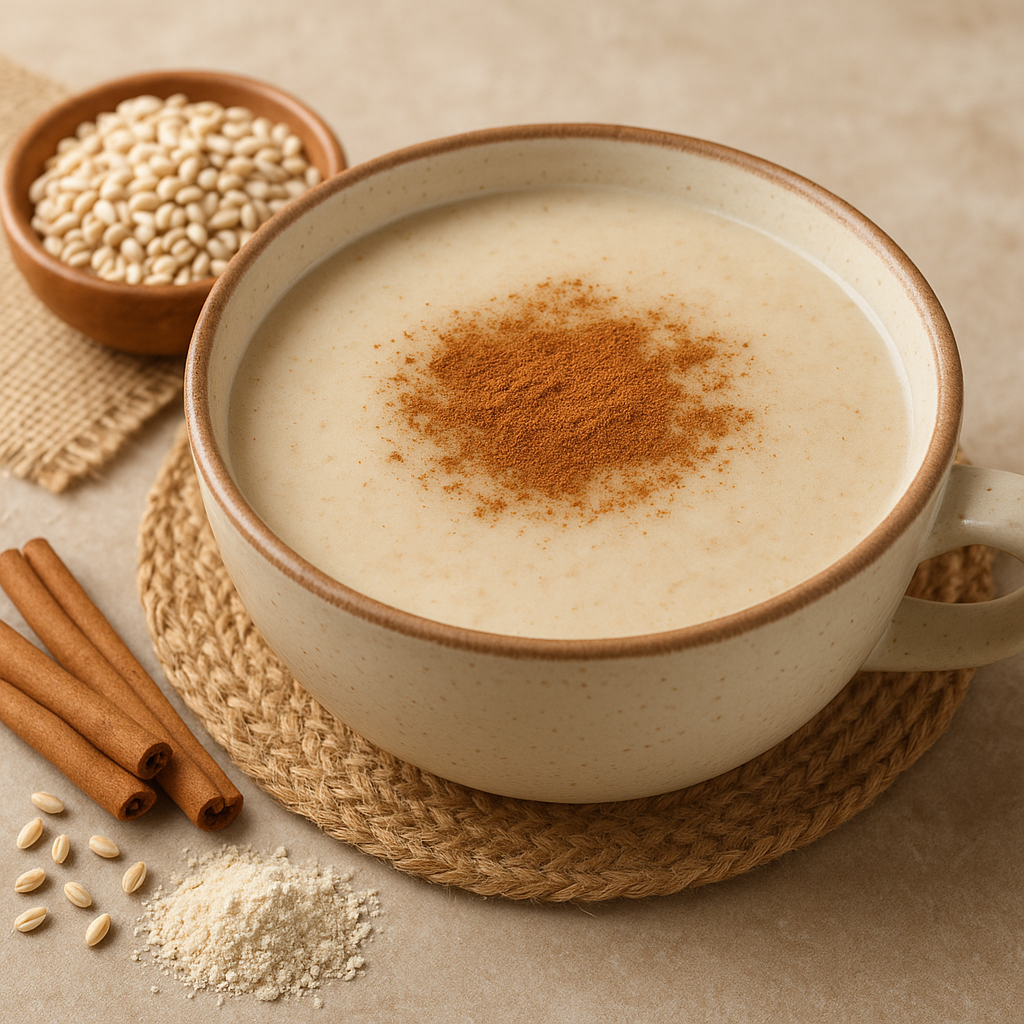
In simple terms, Talbina is a soothing, porridge-like dish made from ground barley, typically cooked with milk or water and sweetened with honey. Its name comes from the Arabic word laban, meaning yogurt or milk, due to its soft, white appearance.
However, its significance goes far beyond its simple ingredients. Talbina holds a special place in Islamic tradition and Prophetic Medicine (Tibb al-Nabawi). It was recommended by the Prophet Muhammad (peace be upon him) as a food that brings both physical and emotional healing.
In a famous narration, he said:
“Talbina gives rest to the heart of the patient and makes it active and relieves some of his sorrow and grief.” (Sahih al-Bukhari 5689)
This single statement transforms Talbina from a simple meal into a powerful, holistic remedy. It tells us that what we eat can directly impact our emotional state—a concept modern science is only now beginning to fully embrace through the gut-brain connection.
The Powerful Benefits: Why Should You Eat Talbina in the First Place?
Understanding the “why” helps us appreciate the “when.” Talbina isn’t just about filling your stomach; it’s about nourishing your entire being.
Here’s a quick look at its incredible benefits:
A Balm for the Heart and Mind: As the tradition suggests, Talbina is renowned for its calming properties. Barley is a source of B-vitamins and magnesium, which are crucial for nervous system function and mood regulation. Its warm, comforting nature provides an immediate sense of peace, making it a natural remedy for stress, anxiety, and feelings of grief.
Excellent for Digestive Health: Barley is packed with both soluble and insoluble fiber. This fiber acts as a prebiotic, feeding the good bacteria in your gut. A healthy gut microbiome is linked to better immunity, improved digestion, and even a more stable mood. Because it’s served as a soft porridge, it’s also incredibly gentle on the stomach, making it ideal for those recovering from illness.
Sustained Energy and Blood Sugar Control: Unlike sugary breakfast cereals that cause a quick spike and crash, the complex carbohydrates in barley provide a slow and steady release of energy. This helps keep your blood sugar levels stable, preventing mid-day slumps and cravings.
Heart-Healthy Nourishment: The soluble fiber in barley, specifically beta-glucan, has been scientifically shown to help lower LDL (bad) cholesterol levels, which is a major win for cardiovascular health.
Now that we know why Talbina is so special, let’s finally answer the main question.
What is the Right Time to Eat Talbina? A Guide for Every Need

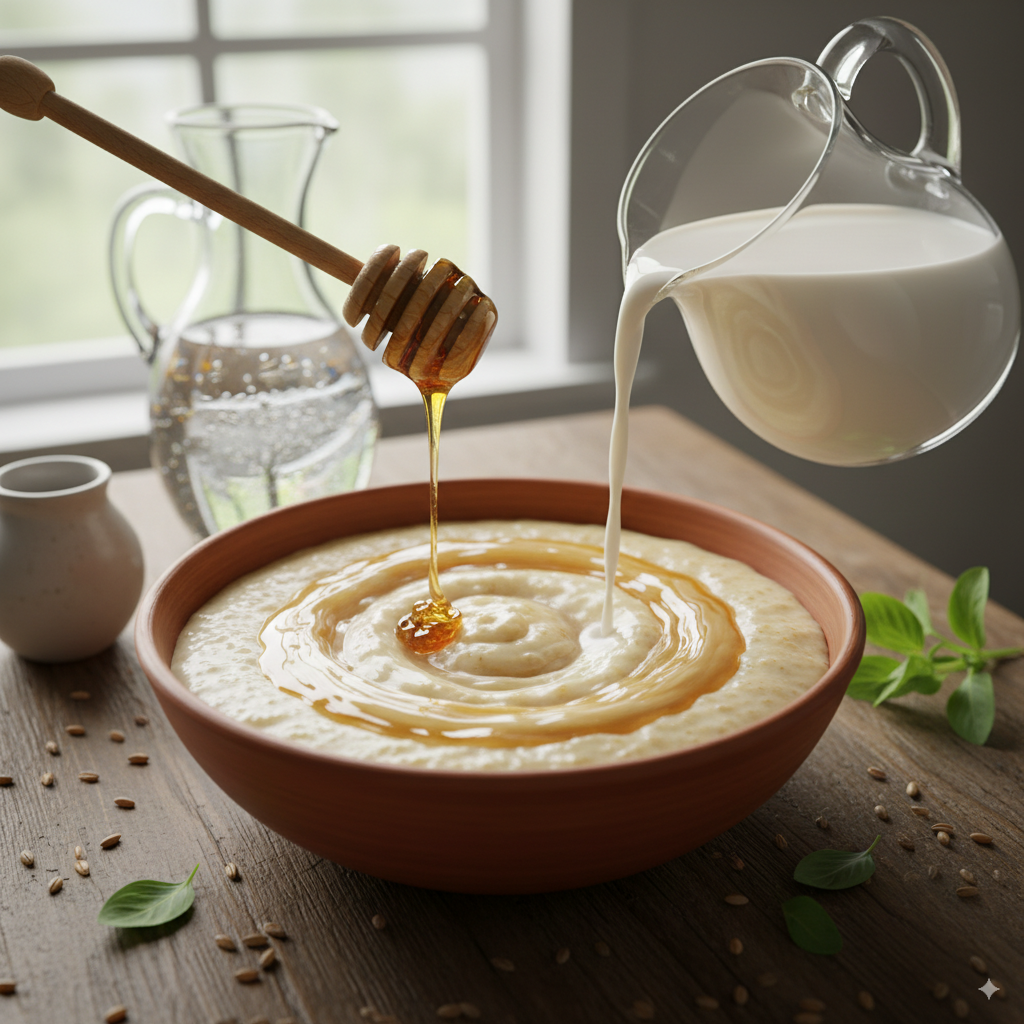

The beauty of Talbina is its versatility. The “right time” truly depends on your personal goals and what your body and soul need in that moment.
Let’s break it down.
1. In the Morning: For a Blessed and Energized Start
Without a doubt, the most popular and highly recommended time to eat Talbina is for breakfast.
Think about it. After a long night of fasting, your body is primed to absorb nutrients efficiently. Starting your day with a bowl of Talbina does several wonderful things:
- It Sets a Positive Tone: Beginning your day with a food recommended in the Sunnah (the practice of the Prophet) brings a sense of intention and spiritual blessing (barakah) to your morning.
- It Fuels Your Day the Right Way: As we mentioned, Talbina provides sustained energy. This means you’ll feel full, focused, and ready to tackle your tasks without the jitters from caffeine or the crash from sugar.
- It Kickstarts Your Digestion: The gentle fiber in Talbina wakes up your digestive system calmly, preparing it for the day ahead.
The verdict: For overall daily wellness and sustained energy, morning is the best time.
2. In the Evening: For a Restful and Healing Sleep
While morning is great for energy, the evening is when Talbina’s calming properties truly shine. If you struggle with stress or have trouble winding down at night, a small, warm bowl of Talbina an hour or two before bed can be a game-changer.
Here’s why:
- It Calms the Nervous System: The warmth of the porridge and the nutrients in barley can help soothe an overactive mind. It’s the food equivalent of a warm hug.
- It Aids Sleep: Barley contains tryptophan, an amino acid that the body uses to produce serotonin and melatonin—the hormones responsible for mood and sleep.
- It’s a Light, Nourishing Meal: If you feel hungry before bed, Talbina is a much better choice than heavy, processed snacks that can disrupt your sleep and digestion.
The verdict: For stress relief, emotional comfort, and promoting restful sleep, the evening is an excellent time.
3. During Times of Illness or Grief: For Gentle Recovery
This brings us back to the very heart of the Prophetic recommendation. What is the right time to eat Talbina when you’re not feeling your best, physically or emotionally? The answer is: anytime you need it.
- When You’re Sick: If you have a fever, a stomach bug, or just a low appetite, Talbina is the perfect recovery food. It’s easy to digest, hydrating (if made with water or milk), and provides essential nutrients to help your body heal without overwhelming your system.
- When You’re Grieving or Sad: The tradition of preparing Talbina for a grieving family is a beautiful one. It’s a physical manifestation of care and a recognition that the heart needs nourishment too. In these moments, Talbina is more than food; it’s a gentle remedy for a heavy heart.
The verdict: During illness, recovery, or emotional hardship, listen to your body and soul. Talbina can be a source of comfort at any hour.
How to Make Authentic Talbina: A Simple Recipe
Ready to try it for yourself? Making Talbina is incredibly simple.
Ingredients:
- 1/4 cup of whole barley flour (you can grind whole barley grains for the best results)
- 2 cups of milk (dairy or plant-based like almond or oat milk work well) or water
- 1-2 tablespoons of raw honey (or to taste)
- A pinch of cardamom or cinnamon (optional)
- Toppings: chopped nuts, dates, or fresh fruit (optional)
Instructions:
- Create a Slurry: In a small bowl, mix the barley flour with a few tablespoons of your cold milk or water. Whisk until it forms a smooth, lump-free paste. This step is key to preventing clumps later on.
- Heat the Liquid: Pour the rest of your milk or water into a small saucepan and gently warm it over medium heat.
- Combine and Cook: Once the liquid is warm (but not boiling), slowly whisk in the barley paste. Continue to stir constantly to keep it smooth.
- Simmer and Thicken: Reduce the heat to low and let the porridge simmer for 15-20 minutes, stirring occasionally. It will gradually thicken into a creamy consistency.
- Sweeten and Serve: Remove from the heat and stir in the honey and any spices you’re using. Pour into a bowl, add your favorite toppings, and enjoy warm.

Final Thoughts: Listening to Your Body's Wisdom
So, what is the right time to eat Talbina?
As we’ve seen, the answer isn’t a single time on a clock. It’s a flexible, intuitive approach to nourishment.
- Choose the morning for energy and focus.
- Choose the evening for calm and restoration.
- Choose anytime for healing and comfort.
Ultimately, the best time to eat Talbina is when your body and spirit call for it. It’s a beautiful reminder that food can be so much more than fuel. It can be medicine, comfort, and a connection to a tradition filled with wisdom and grace.